
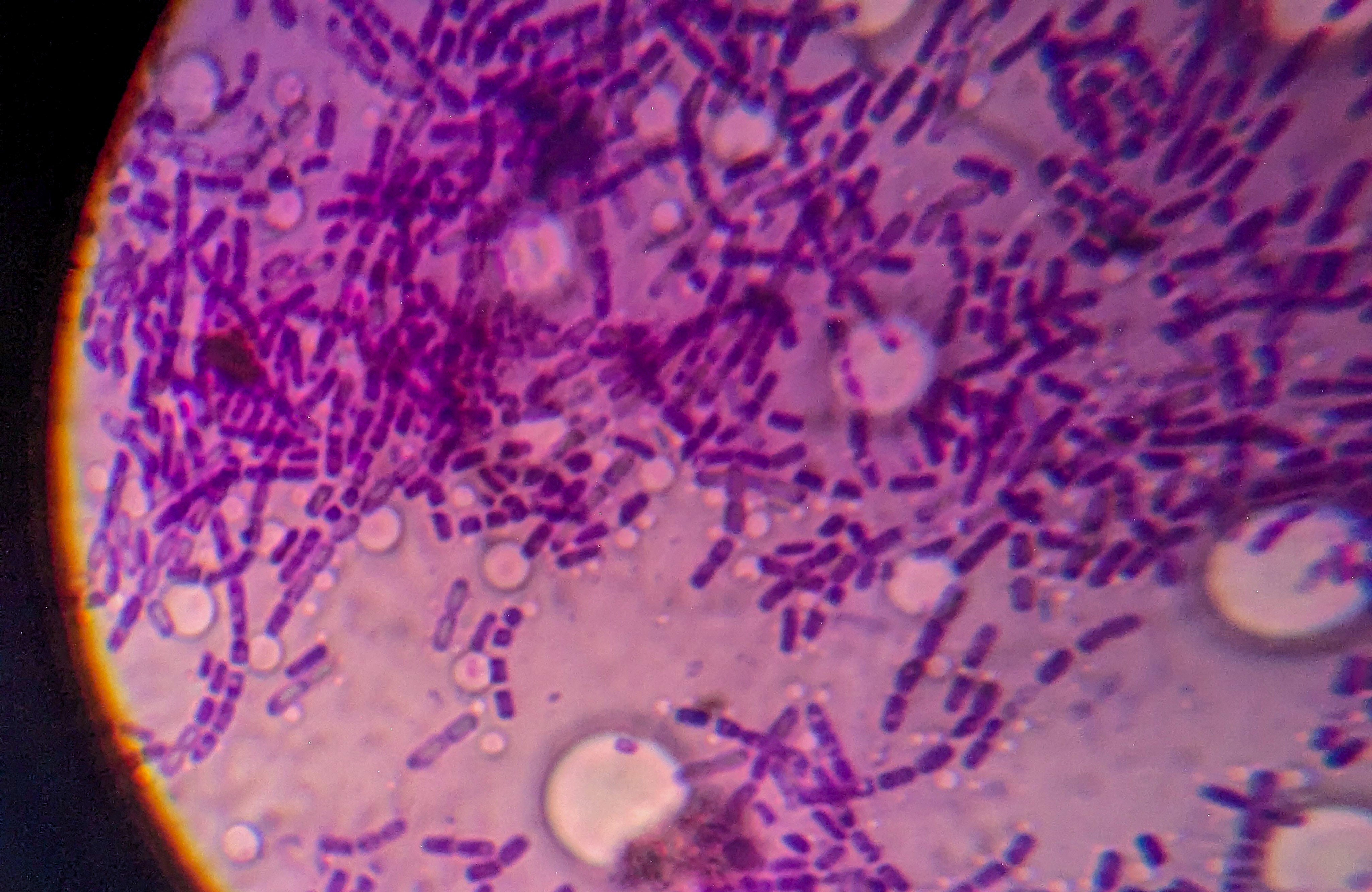
Probiotics for Constipation: BB-12 and HN019 Explained
If you're looking into probiotics for constipation, it can be tempting to choose the product with the biggest CFU number or the longest list of bacterial strains.
But when it comes to probiotics, more doesn’t necessarily mean better. What matters is which specific strains are included, what they’ve been studied for, and whether they’re provided at a researched dose.
First, what is a probiotic strain?
A strain is a specific type of bacteria within a bacterial species. Think of the species as a family and the strain as an individual member of that family. Two bacteria can belong to the same species but be different strains.
For example, BB-12 and HN019 are two different strains of the Bifidobacterium lactis species.
This matters because probiotic clinical trials test specific strains at specific doses. Research on one bacterial strain cannot automatically be applied to every probiotic containing the same bacterial species.
Two strains that have been studied in human clinical trials looking at bowel regularity are BB-12 (DSM15954) and HN019.
BB-12: studied for bowel regularity
BB-12 was investigated in a large clinical trial involving 1,248 adults who tended to have infrequent bowel movements.
Participants took either 1 billion CFU of BB-12, 10 billion CFU, or a placebo each day for four weeks.
Researchers found that average bowel movement frequency was significantly higher in participants taking BB-12 compared with placebo. Interestingly, the effects were similar between the two doses tested, a useful reminder that a bigger CFU number doesn't automatically mean a greater effect.
HN019: studied for gut transit time
HN019 has been studied for whole-gut transit time - how long it takes material to travel through the digestive system.
In a randomised clinical trial, 100 adults took either 1.8 billion CFU of HN019, 17.2 billion CFU of HN019, or a placebo each day for two weeks.
Whole-gut transit time decreased by an average of 18.5 hours in the 1.8 billion CFU group, 28.1 hours in the 17.2 billion CFU group compared with essentially no reduction in the placebo group. The researchers found a dose-dependent effect, with the greatest reduction seen at the higher dose.
Why is gut transit be relevant to constipation?
When stool moves slowly through the colon, more water can be absorbed from it, which can contribute to harder stools that are more difficult to pass.
Looking for a supplement containing both BB-12 and HN019?
EVIDOSE® Live Biotic Daily+ combines both BB-12 (DSM15954) and HN019 in the same formula, alongside the extensively researched NCFM and LGG strains.
The full daily serving provides 35 billion CFU across four specifically identified strains at doses used in human research.
This reflects the EVIDOSE® approach: carefully selected strains at researched doses.
Probiotics are only one part of the picture
Constipation can have many causes, and probiotics aren't a cure or a replacement for the foundations of healthy bowel function.
A comprehensive approach should include:
- Eating enough fibre, increasing it gradually
- Drinking enough fluids, particularly as fibre intake increases
- Regular movement and physical activity
- Not ignoring the urge to go, and allowing enough time for bowel movements
These are among the diet and lifestyle measures recommended by the NHS for constipation. If constipation is persistent, keeps returning, or is accompanied by symptoms such as blood in your stool, unexplained weight loss, abdominal pain or a sudden change in bowel habits, speak to your GP.
The takeaway
If you're considering a probiotic supplement, look for specific bacterial strains that have been studied for the outcome you're interested in. And remember, the dose matters too, check whether the strain is included at a dose that has been used in human research.
Bifidobacterium lactis BB-12 and Bifidobacterium lactis HN019 are two specific bacterial strains that have been studied in human clinical trials investigating bowel movement frequency and gut transit time.
References:
Eskesen D, Jespersen L, Michelsen B, Whorwell PJ, Müller-Lissner S, Morberg CM. Effect of the probiotic strain Bifidobacterium animalis subsp. lactis, BB-12®, on defecation frequency in healthy subjects with low defecation frequency and abdominal discomfort: a randomised, double-blind, placebo-controlled, parallel-group trial. Br J Nutr. 2015 Nov 28;114(10):1638-46. doi: 10.1017/S0007114515003347. Epub 2015 Sep 18. PMID: 26382580; PMCID: PMC4657032.
Waller PA, Gopal PK, Leyer GJ, Ouwehand AC, Reifer C, Stewart ME, Miller LE. Dose-response effect of Bifidobacterium lactis HN019 on whole gut transit time and functional gastrointestinal symptoms in adults. Scand J Gastroenterol. 2011 Sep;46(9):1057-64. doi: 10.3109/00365521.2011.584895. Epub 2011 Jun 13. PMID: 21663486; PMCID: PMC3171707.
Read more

For many people, pollen season means sneezing, itchy eyes and a runny nose. But some people also notice their digestion feels more unsettled at the same time, with bloating, cramping, looser stools...

The gut and immune system are closely connected, which has led to growing interest in probiotics and immunity. But not all probiotics are the same. Research is carried out on specific bacterial str...